
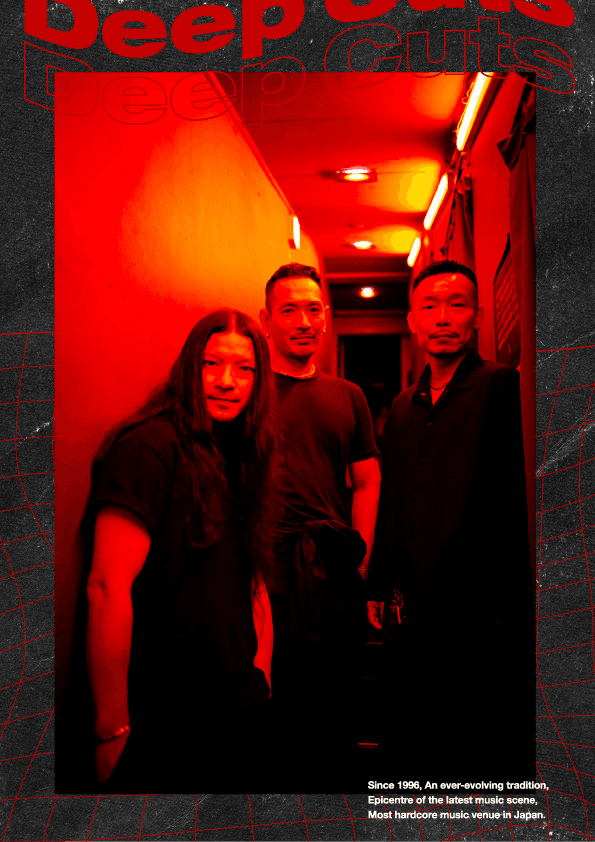
BACK TO CHILL × clubasia ── 20 Years of Leading the Dubstep Scene
text:
Yuta UmeGatani (MURDER CHANNEL)
photo:
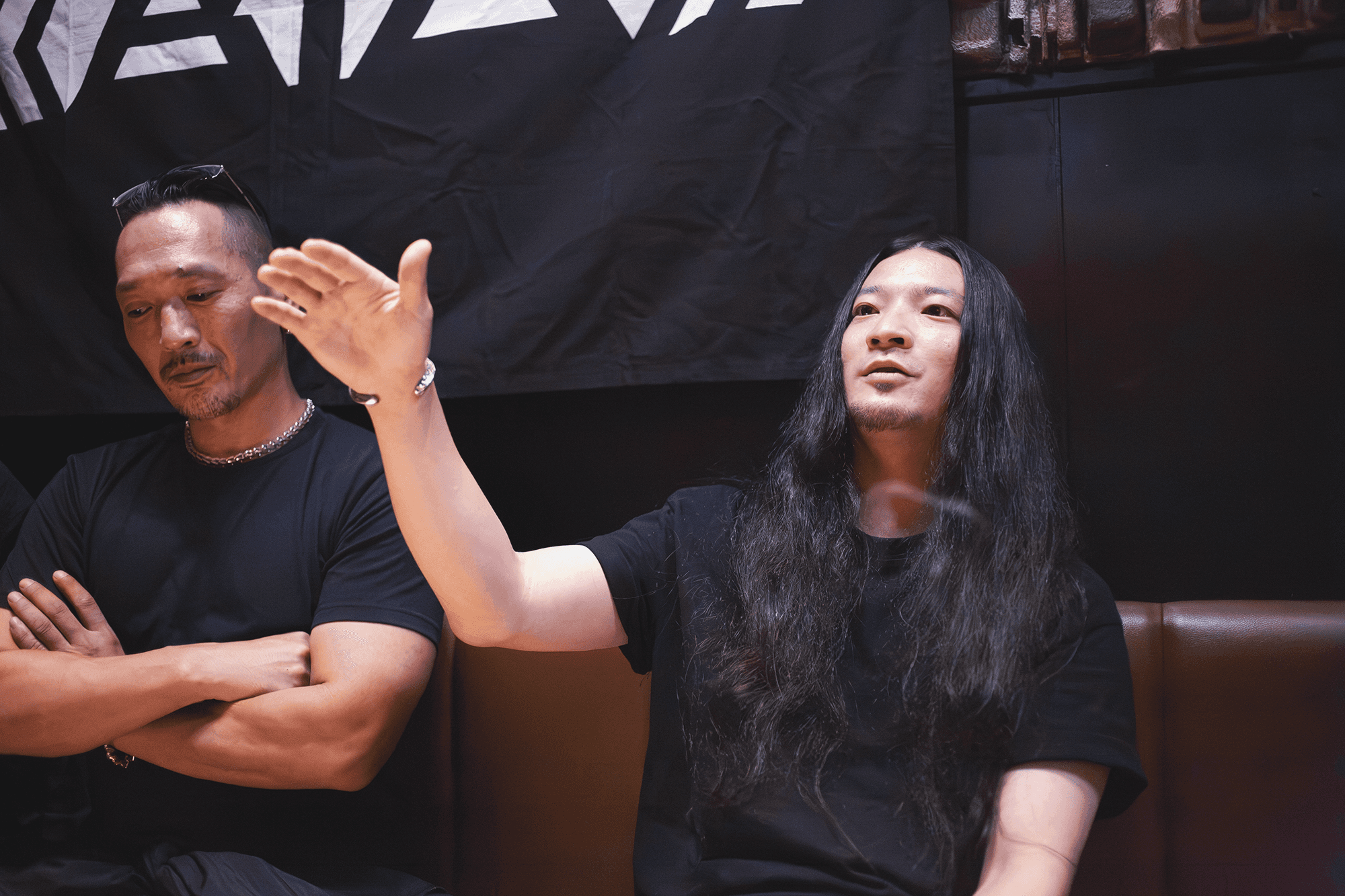
paansan
BACK TO CHILL, a party that has supported Japan's dubstep and bass music scene for many years and earned widespread support and trust from artists, DJs, and core listeners alike, marks its 20th anniversary.
Organized by GOTH-TRAD—an artist who continues to play clubs and festivals across the globe and influence generations of musicians—BACK TO CHILL (BTC) began in September 2006, just as dubstep was emerging as a new musical form.
Moving its home base from SALOON to club asia, CONTACT, and now ENTER while sustaining regular parties, BTC has played a major role in establishing the scene and embedding dubstep and bass music in Japan.
When BTC started in 2006, dubstep was also rapidly taking shape as a genre in the UK.
As GOTH-TRAD traveled back and forth between the UK and Japan, he experienced those changes firsthand, bringing back the music and culture being played there in real time straight to BTC's dance floor.
Furthermore, placing great emphasis on foundational cultural elements like sound systems and dubplates, BTC didn't merely introduce new sounds; it conveyed the underlying culture and philosophy as well. Attending BTC meant experiencing world-class dubstep and DJ sets of that era directly on a Japanese floor.
From its inception to the present day, BTC has remained an invaluable space that consistently provides such experiences.
At the same time, the music BTC has played extends beyond just dubstep and bass music. From sounds sharing roots like dub and jungle to techno, experimental, and even post-metal, the party has flexibly embraced artists with diverse backgrounds.
However, this isn't simply about crossing genres or playing disparate styles side-by-side.
By channeling each style of music through a sound system deeply rooted in dubstep culture, BTC discovered shared sensibilities and roots within distinct genres, weaving them together into a singular context.
Since the pandemic, cross-genre curation has spread across the global club scene, and having varied sounds intersect on one floor has become a major trend.
Yet long before that, rather than just mixing disparate music together, BTC was already putting this into practice: connecting the roots and meanings of each sound under a clear musical philosophy centered on dubstep.
Not crossing genres for the sake of it, but giving it a sense of purpose and necessity over the course of 20 years—this is what makes BTC truly unique.
And when speaking of BTC's 20-year history, Shibuya club asia is an inseparable part of the story. Embracing BTC's various experiments for many years, club asia became both a home for BTC and a stage that vastly expanded its possibilities.
From pursuing sound craft via dedicated sound systems to booking artists across diverse genres, the experiences built there presented new values and ways of projecting sound to the Tokyo club scene.
Now, reaching the 20-year milestone, BTC returns to the place where that history was shared.
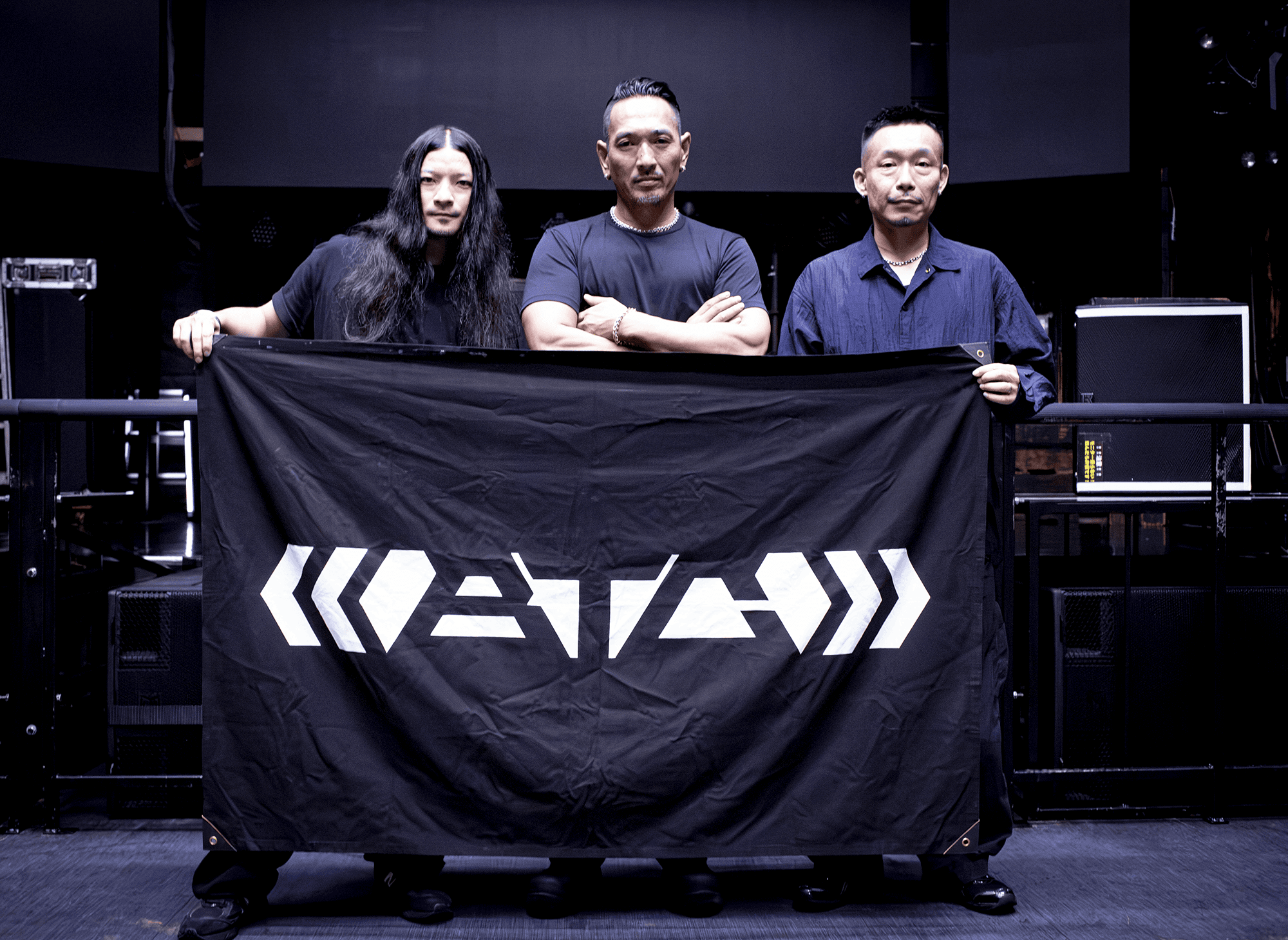
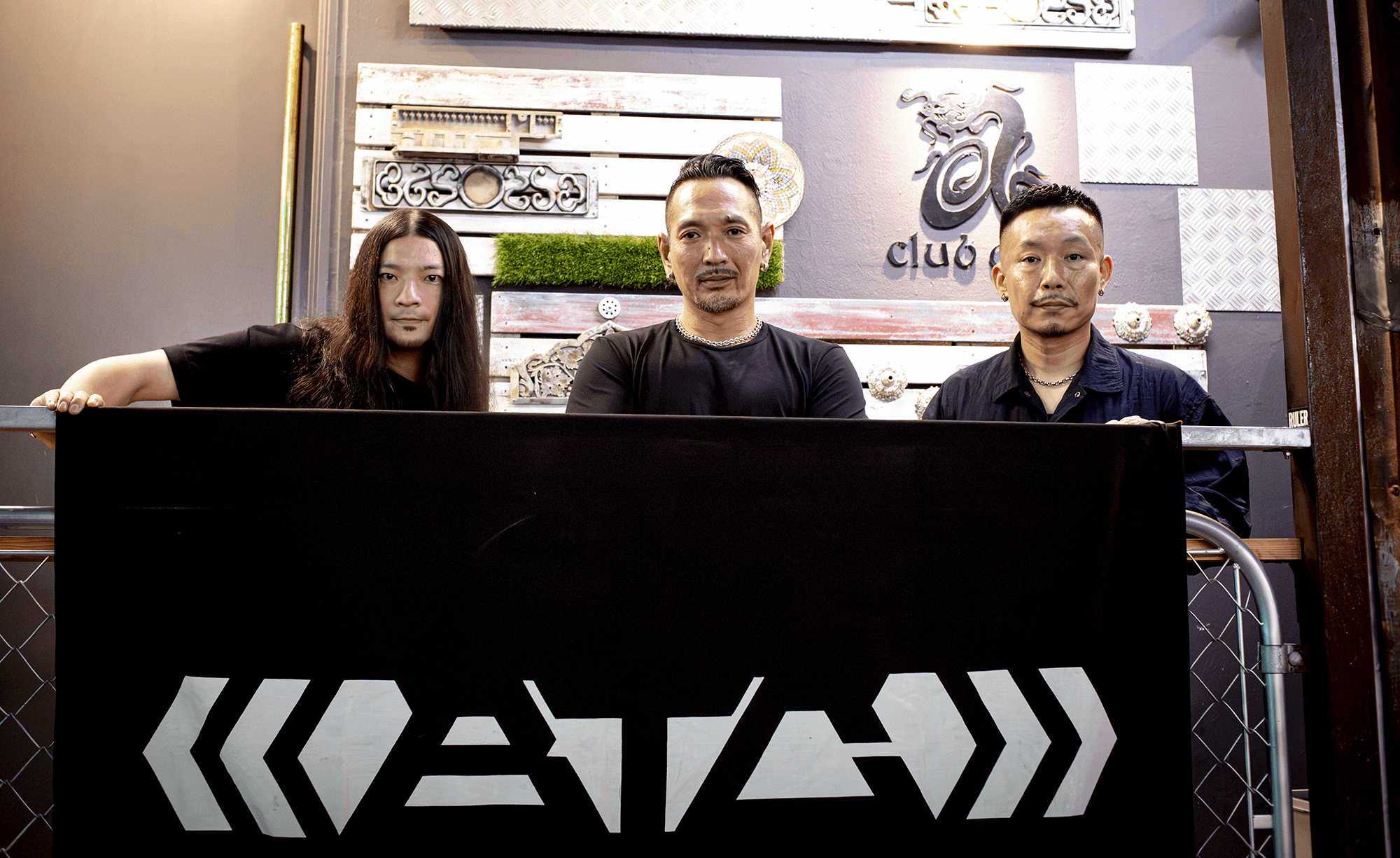
With the 20th-anniversary party just around the corner, we spoke with GOTH-TRAD, HELKTRAM, and MØNDAIGAI from BTC, alongside former club asia director Yamakin, about the past 20 years shared between BTC and asia, as well as what lies ahead.
ーーーーーーーーーーーーーーーーーーーーーーーーー
Q. Back To Chill (hereafter BTC) began on September 7, 2006. How do you feel now that you are celebrating your 20th anniversary?
GOTH-TRAD: I started this event with the intention of keeping it going for a long time, so while I think we've done well to last this long, in a way I also anticipated it.
The desire to continue naturally without burning out has always been there. So it feels like we just naturally reached 20 years before we knew it.
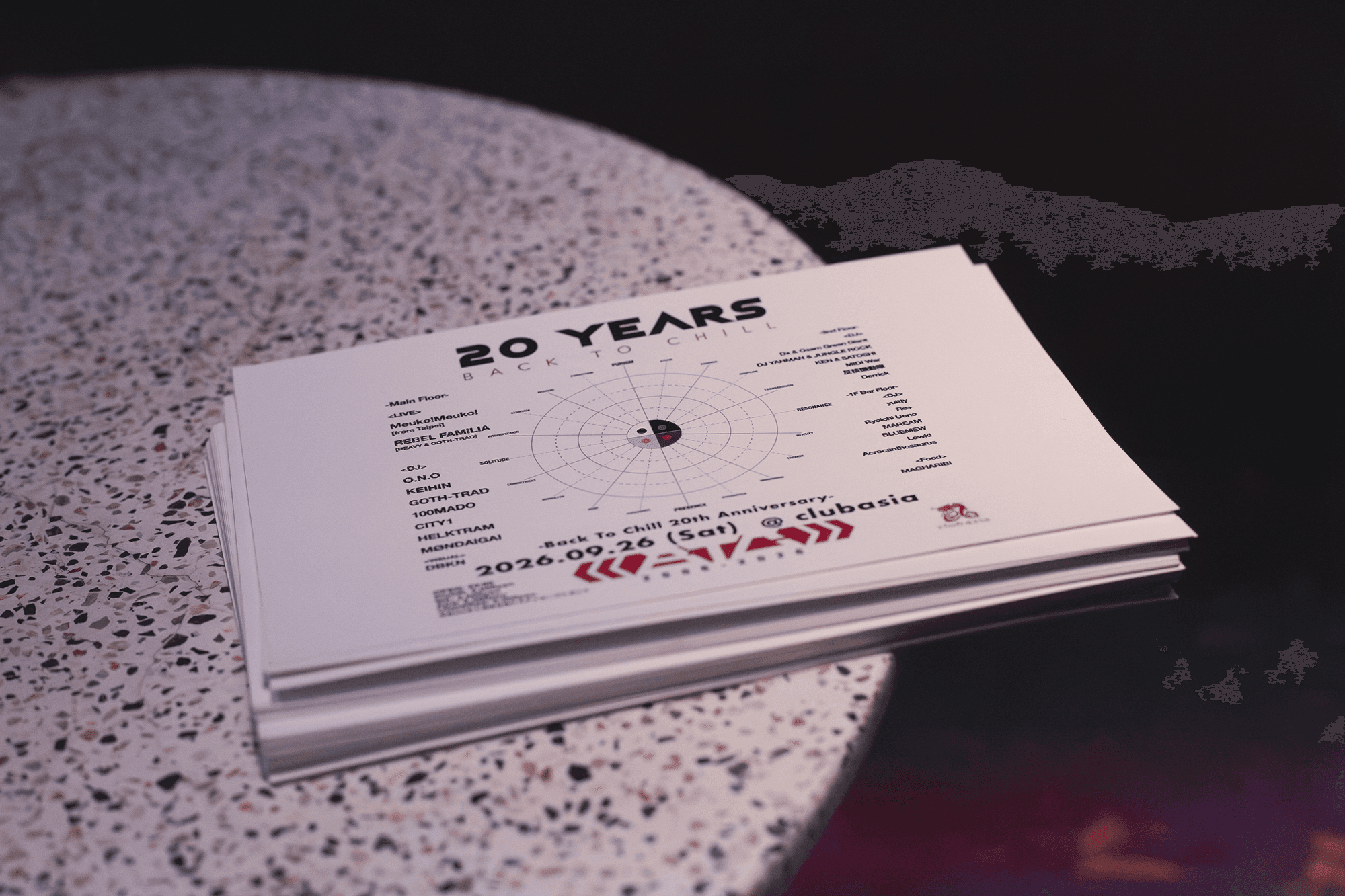
Q. What are the themes and concepts behind the designs of the singles and flyers released on BTC's Bandcamp as part of the 20th-anniversary series?
GOTH-TRAD: The idea was that the artwork for each EP would layer together, eventually forming a single unified design.
I didn't have the final form completely planned out, but I started making it loosely, and on the flyer it ended up taking the shape of radiating lines.
Along the extension of those coordinate-like lines, I collected 20 words representing BTC's elements—its spirit, attitude, and so on—and made that the final destination of the design.
Q. Since BTC members have performed and released music overseas for years, BTC seems widely recognized by international dubstep fans. What kind of reactions do you get from abroad regarding both the party and the label?
HELKTRAM: Playing abroad, I felt that GOTH-TRAD is truly recognized as a legend who has led the dubstep scene for years. People would say to me, "You're part of the BTC crew, right? Isn't it super inspiring to play with that legend every month?" or "BTC is fascinating because every member produces a different style of track."
I think that reaction comes from the credibility BTC has built by continuing for 20 years.
GOTH-TRAD: It's been nearly 20 years since I started going overseas, especially to the UK. Through that, I've seen the global dubstep scene go through ups and downs; there were times when the hype settled down, and times when iconic artists emerged.
This year marks the 20th anniversary for Tectonic and Deep Medi Musik, and it's 20 years for BTC as well.
Twenty years after that era, dubstep is drawing attention again.
A new generation and the producers who shaped the scene back then are coming together, building excitement once more.
It's not that only one side is on the frontlines—the new guys are right there, and the old-school guys are also pushing forward, making new sounds.
That's what's so great about it. Even though there's a 20-year age gap, kids who grew up listening to 2006–2007 dubstep are emerging as producers now, and that crossover is incredibly exciting.
I think this cross-generational exchange is working really well.
There's mutual respect, and technically speaking, the old-school pioneers aren't staying stuck in the past; they're doing fresh things.
They inspire each other, and the hype is building again.
In Japan too, there are kids in their 20s throwing dubstep and bass music parties. Just the other day, I was invited to play at a bass music party started by younger people.
Of course, between us there were generations like TREKKIE TRAX or DUBNEEZ, and crossovers happened there as well.
Though the scene in Japan is small, in terms of dubstep, intergenerational crossovers are taking place, and it might be gradually expanding.

Q. BTC also operates as a label. Do you feel it is increasingly recognized as one?
GOTH-TRAD: Honestly, not quite yet. To be frank, I haven't put enough energy into that aspect.
It started as a label in 2014 when we put out the compilation "MUGEN," but there was a long gap until the next release.
I couldn't dedicate enough time to it.
Partly due to scheduling, I was making my own tracks for Deep Medi, touring, and producing non-dubstep material.
In that sense, our start as a label was sluggish. It's not necessarily a regret, but I do think, "We were a bit slow."
Whether that turned out good or bad, I still don't know.
There were times when I had to focus on my own releases.
For HELKTRAM, MØNDAIGAI, and City1, I thought it was essential for them to try releasing on overseas labels, and since they had opportunities, I felt they definitely should go for it.
Rather than me running BTC half-heartedly, it seemed better for labels that genuinely appreciated them to release their music.
Still, there are things we should have done more as a label, so that's something for the future.
During COVID, I released my own album ("PSIONICS"), reissues of older works, remastered REBEL FAMILIA material, and compilations of unreleased tracks ("SURVIVAL RESEARCH," "MUTATIONS"). They received a solid response, which definitely made me realize, "I need to establish this more properly as a label."
When dubstep was peaking, releasing vinyl alongside digital was the standard, and that came with pressure, both good and bad.
Thinking too much about complications like time, money, and timing kept me from taking that step forward.
Amidst that, during COVID, the trend shifted toward digital releases. I realized there was no need to overthink it if obsessing over vinyl meant stalling releases altogether.
In fact, there's a whole generation that prefers listening digitally. Talking to younger artists today, many say, "I don't use vinyl, so I want digital," or "I DJ digitally and buy digital tracks."
I realized the primary mission is spreading the music, and that matters most.
Treating vinyl as a barrier and not releasing music as a result would be a waste.
Putting out digital releases during the pandemic changed my perspective on that.
I often talk about this with European label owners and producers. Naturally, some labels and artists still feel, "I absolutely must press vinyl."
We often discuss choosing formats on a per-release basis—deciding "this release goes digital" or "I want to press this on vinyl."
GOTH-TRAD Presents Back To Chill “MUGEN” https://backtochilltokyo.bandcamp.com/album/goth-trad-presents-back-to-chill-mugen
Q. So there was pressure stemming from being both a label owner and a producer.
GOTH-TRAD: When I announce a digital release on social media, people still ask, "No vinyl?"
Even when I dropped a bunch of digital albums during COVID, there were quite a few requests asking for vinyl, which makes you wonder, "Maybe I should press vinyl after all?"
But things change with the times.
Methods of advertising, self-promotion, and the ways people listen to music all evolve.
What people value shifts too, so it's necessary to adapt to that.
While there's a distinct coolness to nostalgic, traditional approaches, getting too stuck in them looks dated. I believe it's important to evolve with the times.
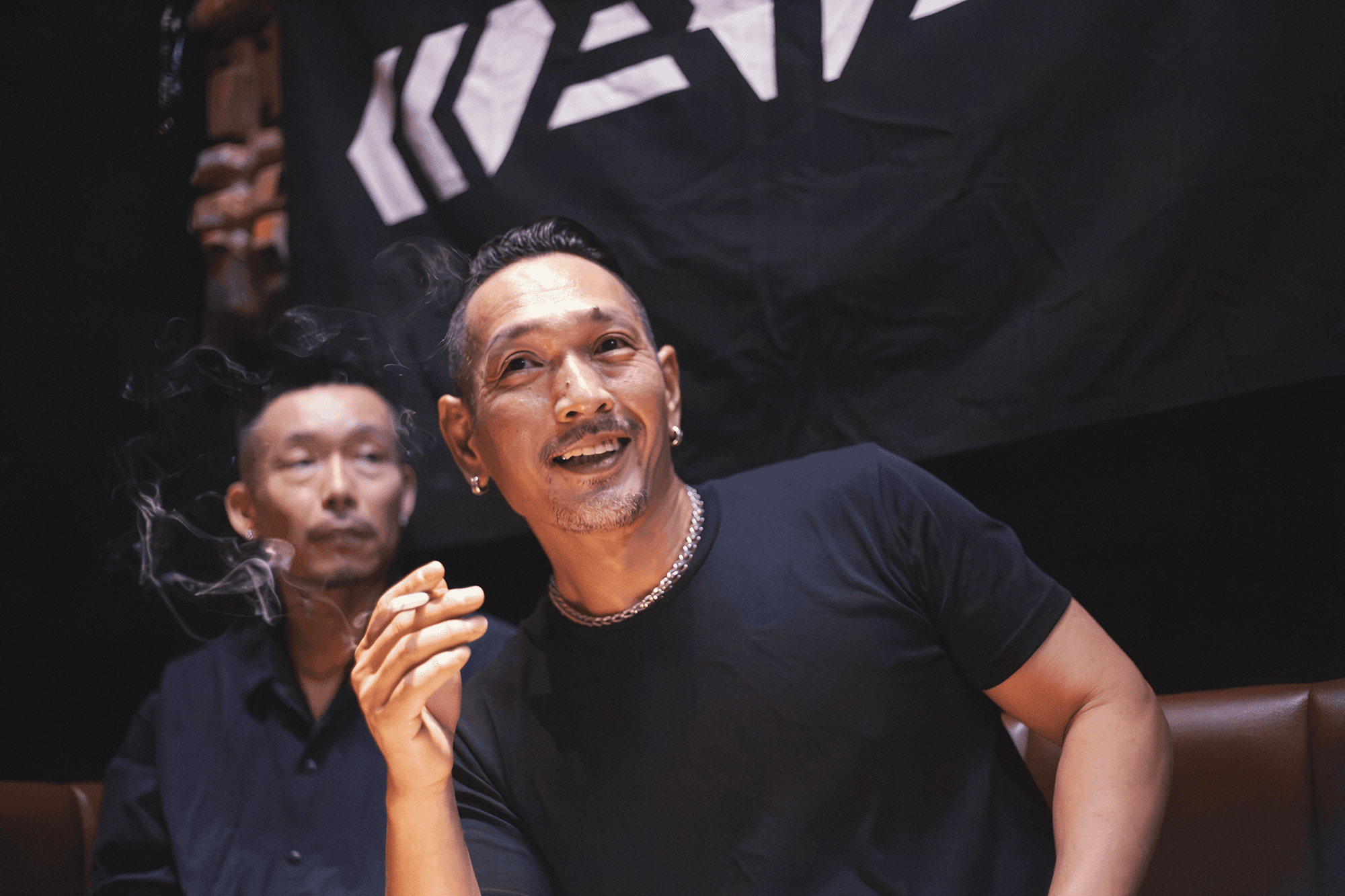
Q. asia has long served as a home for BTC. How did holding events at asia expand BTC's direction and possibilities?
HELKTRAM: The first time I performed at BTC was after it moved to asia, and the first party I attended after moving to Tokyo was BTC at asia.
That's where I handed GOTH-TRAD a CD-R of my tracks, which led to where I am today, so it's a place packed with memories and experiences for me.
MØNDAIGAI: I also joined BTC starting from asia, and BTC at asia was what made me fall in love with dubstep in the first place. Experiencing the sound system culture there completely hooked me.
GOTH-TRAD: We originally started at Saloon in September 2006. After running it for a little over a year, Yamakin, who was on staff at asia at the time, invited us: "Why not do BTC at asia?" That's how it started.
Moving to a venue the size of asia expanded our horizons dramatically.
Since asia is also a live music venue, it accommodates live acts.
We could host REBEL FAMILIA and bring in bands.
We could add extra sound systems, and because it wasn't just a single room—having a second floor and a lounge bar floor—it allowed us to broaden our musical spectrum.
Before that, being in a single room meant we had to focus exclusively on dubstep. But at asia, under the broader umbrella of bass music, we could book bands and branch out in various ways.
When we wanted to bring in extra subwoofers for anniversary parties, asia made it possible. From there, people started building sound systems and bringing them into BTC regularly, expanding scale over the years.
asia was a space that broadened BTC's potential and welcomed our ideas.
Yamakin also contributed ideas and connected us with people, allowing us to expand BTC's original concept even further.
Booking Boris for the 2017 anniversary was only possible because of asia, and it broadened my own musical range as well.
Plus, with the main floor, second floor, and bar floor, we could put newer artists in the bar first to build experience.
I believe MØNDAIGAI played in the bar for quite a while, and everyone started there. HELKTRAM also began at the bar floor before stepping up to the main room.
As they gained experience and improved, we could say, "Alright, let's try the main floor." It enabled that kind of trial and growth.
It allowed me to take risks too, and in that sense, moving to asia vastly expanded BTC's possibilities.
Yamakin: GOTH, do you remember your very first appearance at asia?
GOTH-TRAD: It was TIGHT. Around 1999, I think. I was invited to play at TIGHT when the compilation "Dokon" was released.
Back then I was only producing and had never DJed, but they let me DJ on the subfloor.
Just recently, I performed at TIGHT again with REBEL FAMILIA, so TIGHT has been key for me.
Around 2002, Yamakin booked REBEL FAMILIA for an event he was running, and that's how our relationship started.
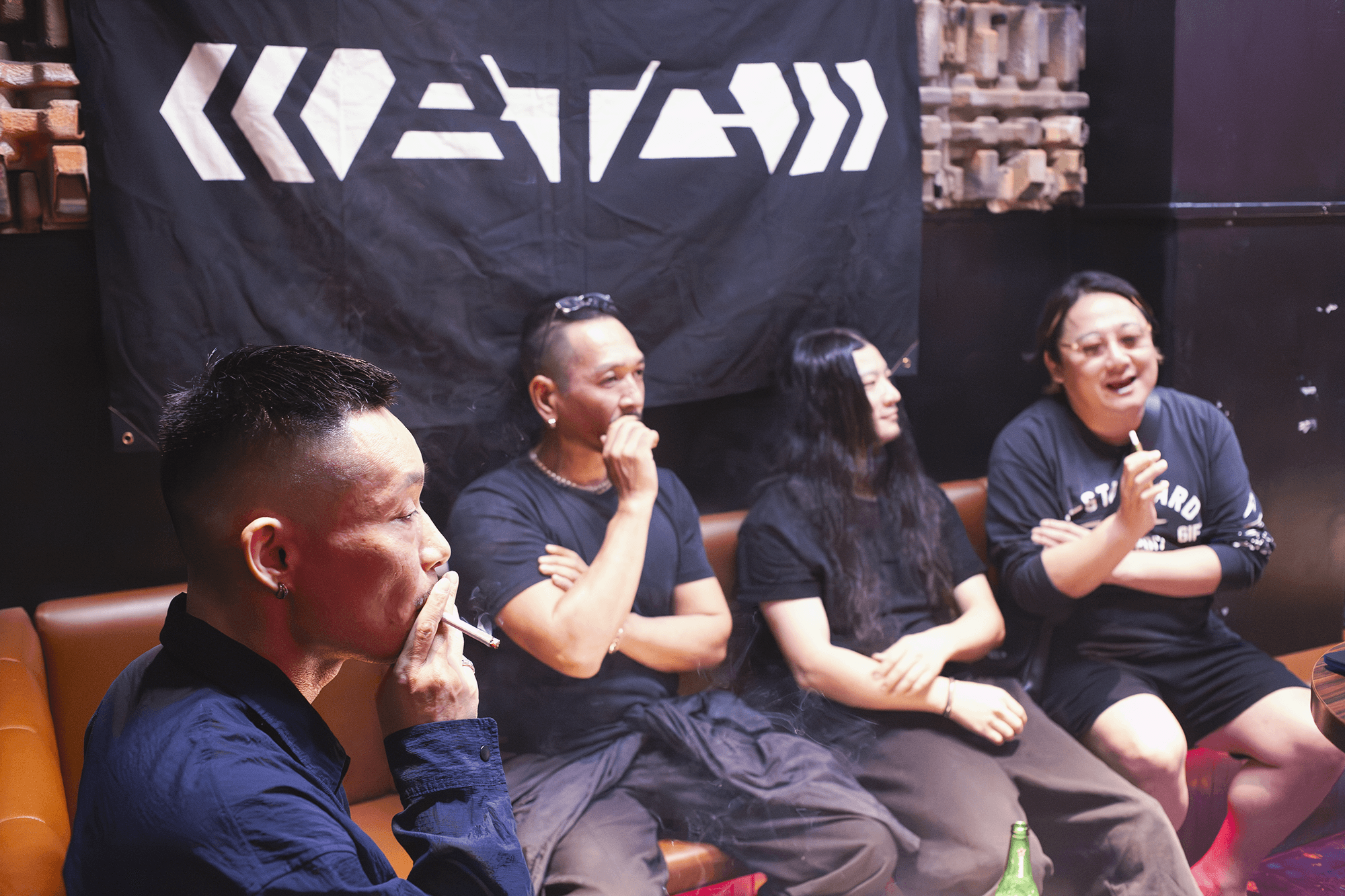
Q. My impression is that BTC at asia always involved meticulous rehearsals. How did you work with the sound engineers and asia staff to pursue your ideal sound?
GOTH-TRAD: When I went to the UK and toured around 2006–2007, I realized the low-end frequencies I had used on "Mad Raver’s Dance Floor" wouldn't cut it.
Not that they were bad—on Japanese club sound systems and speakers back then, people might have thought, "Yeah, the bass is hitting." But once I started producing authentic dubstep, I noticed the bass keys and frequencies were totally different.
From then on, I began producing tracks in much lower sub-bass registers.
However, when played in Japanese clubs, that sub-bass wouldn't reproduce.
Yet in the UK, it resonated perfectly.
That convinced me: "I'm not wrong," and I committed to that production approach.
People around me started noticing the difference, asking, "Why does GOTH's bass hit so hard?" and I'd reply, "The key is different."
I realized that unless you lower the overall center of gravity in production, it won't resonate on authentic sound systems.
Back then, almost no club in Japan could reproduce that sound properly.
When MALA first visited Japan, I listened to him discussing settings with the sound engineer during rehearsal, asking things like, "Where is the low-cut set?" and "That's cut too high, bring it lower." Hearing that confirmed it for me.
That helped me better understand acoustics—how to actually output that level of sub-bass.
At the time, sound system and bass music culture hadn't really spread in Japan.
Even clubs reputed for "great sound" didn't pay much attention to reproducing deep sub-bass.
Since bass music wasn't widespread to begin with, there was no pressing need for them to consider it.
Over the next decade, Tokyo's sound systems improved significantly.
Back then, though, without thorough tuning, we couldn't get the low end we wanted.
asia was willing to adapt to that. They had an incredible sound engineer named Naomi-chan who understood what we were trying to achieve.
Nowadays, clubs everywhere have improved immensely.
Bass music has become established as a recognized genre and is played everywhere as a matter of course, so I think venues everywhere design their acoustics with low-end response in mind.
Sound System
https://vimeo.com/126265648?fl=pl&fe=cm
Q. By hosting BTC regularly before bass music permeated the Japanese club scene, what impact do you think it had on asia? Did BTC's involvement help bring out asia's deeper, underground side?
Yamakin: Exactly as you say. The idea was to have acts like REBEL FAMILIA and GOTH-TRAD bring those elements to the party.
We also collaborated with crews like BLACK SMOKER, SHIRO THE GOODMAN, and Jazzy Sport.
When I joined asia around 2001–2002, flashy, mainstream vibes dominated. Once I took charge of booking, I wanted to showcase raw, dope sounds too, so I invited them to play, gradually building that flavor.
BTC was a bold challenge for asia, but as it continued over time, its influence grew, and we felt the momentum steadily build.
Q. When BTC first started at asia, what other kinds of parties were taking place?
Yamakin: Around that same era, Nakata-kun's (Yasutaka Nakata) FLASH!!! made a strong impression.
GOTH-TRAD: What makes asia great—and why I'm glad we did BTC there—is that while the sound was underground, dark, and dope, the venue itself was vibrant and fun.
It felt like a place where people could genuinely party, not an underground scene closed off to outsiders.
The music was super heavy and underground, yet the space retained the energetic atmosphere of an exciting club.
They hosted a variety of other parties, which also gave it a positive image; it was truly an open, enjoyable club.
In my eyes, while dubstep fits the underground tag, the experience felt like a proper "club" first and foremost.
Yamakin: I wasn't obsessively attached to the underground, but I often found that underground raw energy genuinely cool.
GOTH-TRAD: But that's exactly how it is in the UK and Europe.
At venues like Fabric, the genre changes depending on the night, but the crowd's energy is unequivocally a party vibe.
asia had that same spirit, and being able to cultivate that was amazing.
Though for Yamakin, there were probably moments where he thought, "Are we really taking it that far?"
Like, "We have a collaboration with Red Bull and you're booking THE BODY?!" (laughs).
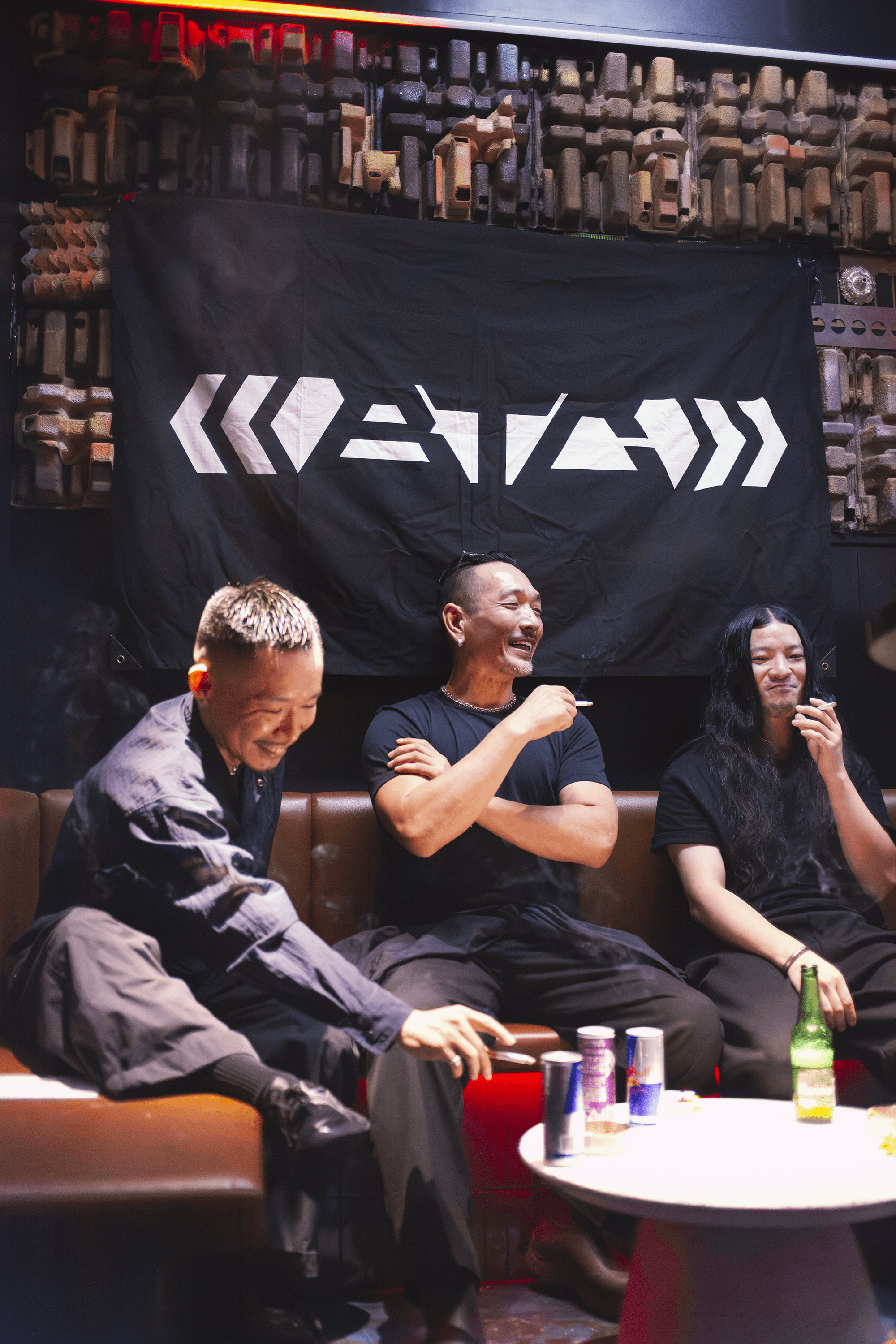
Q. The countdown party lineups really symbolized that era of asia, didn't they?
Yamakin: Exactly! You'd have Nakata-kun, GOTH, Shinichi Osawa, and DJ DYE (THA BLUE HERB) billed side by side, along with THE LOWBROWS (Chaki Zulu) and others.
GOTH-TRAD: asia really sparked so many connections.
I became good friends with Chaki-kun there, and we'd talk about all kinds of music.
Yamakin: With GOTH playing, Nakata playing, and Chaki playing, everyone naturally became friends.
They'd chat casually, and seeing that, I secretly hoped GOTH and Nakata might collaborate on music together.
I still think that would result in something fascinating.
I kept that in mind, thinking such collaborations could emerge.
Q. Among all the BTC events held at asia, which ones stand out most in your memory?
Yamakin: GOTH's "New Epoch" release party was incredible.
From event production to bookings and programming, tremendous care went into it. When the day came, the crowd packed the floor, and GOTH played an unbelievable set. The production team was fantastic too.
Takahashi, who is taking photos today, was an intern at P-VINE back then and took an interest in GOTH through that event.
The party with Red Bull was great, and the Boris night was insane too.
I have countless memories when it comes to BTC.
And just as many with each individual member.
HELKTRAM: The anniversary parties are always memorable for me.
They're a blast to play, and since it's an anniversary, the crowd is having an amazing time too.
Also, back when we brought in extra sound systems, the sound was so intense during rehearsal that a fluorescent bulb fell from the ceiling (laughs).
Yamakin: The sub-bass vibration on the main floor was so strong that the second-floor bathroom door lock would unlock itself.
I was using the second-floor restroom when the lock just slid open on its own. I went, "Wait, what?!" (laughs).
GOTH-TRAD: Occasionally, when I couldn't make soundcheck, I'd ask the crew, "Can you handle the soundcheck?" but their judgment would already be skewed (laughs).
They'd say, "GOTH, the sound is crazy heavy today!" but when I arrived and listened, I'd say, "You pushed this way too hard; the balance is off, pull it back" (laughs).
That said, asia's current sound system has improved so much that it rivals the output of the extra systems we used to bring in, so I'm really looking forward to it.
Q. Could you tell us about the individuality and appeal of each BTC resident as producers?
GOTH-TRAD: The tracks each of them produce are fascinating, and lately their distinct colors have really begun to show.
City1 leans into dub infused with oriental elements, while MØNDAIGAI specializes in techy sounds. HELKTRAM crafts dubstep with a unique twist.
Their individual tastes have become very distinct.
Whatever music they make reaches a consistent level of high quality, and I play all of their tracks.
However, what they need to work on moving forward is self-production, modern promotion, and how to present themselves as artists.
They aren't particularly skilled at that side yet, which I honestly feel is a bit of a waste.
For instance, 100mado has formidable production chops and a wealth of great tracks, even older ones.
I think it's a shame not to put those out into the world, and I hope we can showcase them through BTC.
From here on, it's not just about musical skill; approaches must adapt to the times.
Not limited to dubstep, thinking about how to self-produce and taking proactive action will open doors down the road.
In today's world, waiting around won't change anything.
They should consider that more deeply and take full advantage of BTC as a platform whenever needed.
Q. What criteria do you prioritize when selecting artists to participate in BTC?
GOTH-TRAD: From the day BTC started in 2006, we took a hardcore stance: "We won't book DJs who don't have at least one original track." That fundamental concept hasn't changed much.
Beyond that, it's meaningless if only I appreciate them.
They need to be artists who actively reach out abroad, gain recognition, and endure.
BTC features artists producing music of a caliber where I can confidently say, "With this quality, they could easily play international festivals."
In fact, when I play their tracks abroad, people often ask, "Whose track is this?"
When I tell them, "It's so-and-so from the BTC crew," UK dubstep DJs or label owners end up contacting them directly. That speaks to the quality of the music they're making.
Q. Among the current lineup, MØNDAIGAI is the newest member to join BTC. How did you feel at the time, stepping into a crew with such an established history and bond?
MØNDAIGAI: When I joined BTC, I was the only one who wasn't producing tracks yet, which felt frustrating at first.
It wasn't quite a matter of playing catch-up, but that drove me to push myself.
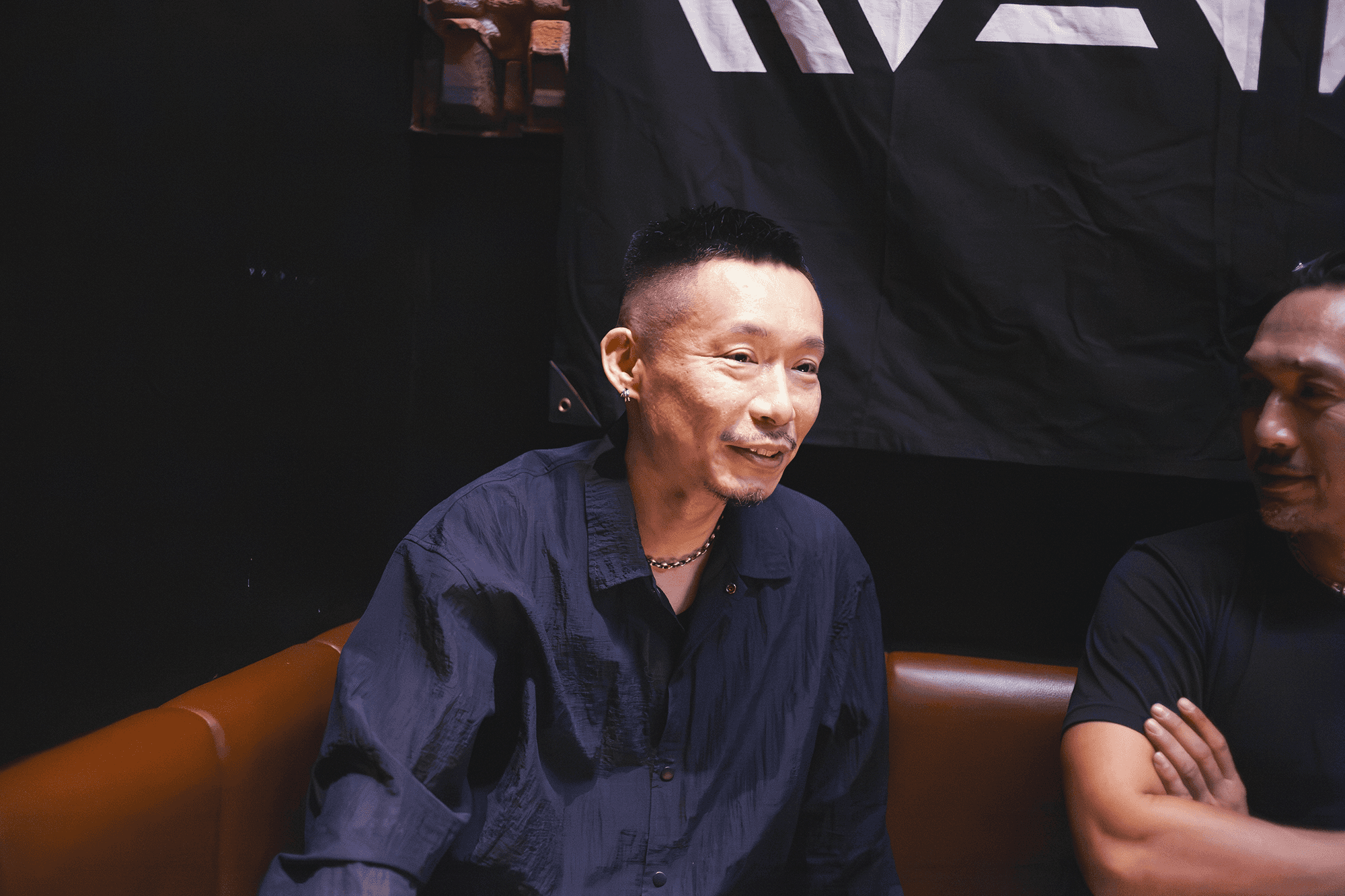
Q. Over the last two to three years, Skream and Benga have resumed playing dubstep, while MALA and Coki joined Fred again..'s tour, showing renewed activity from the scene's foundational artists.
Has this global movement impacted BTC in any way?
How do you all perceive this resurgence of interest in dubstep?
HELKTRAM: "Inspiration" might not be the exact word, but it shows that if you persist and hone your craft, waves like this eventually come back around.
When that happens, we have to deliver something even cooler through our tracks and parties, exceeding what listeners expect.
That's the feeling I have.
The pioneers of dubstep each possessed sharp originality and bold identity.
I strive to be that kind of artist as well.
GOTH-TRAD: As part of DEEP MEDi's 20th anniversary, they took over stages at various festivals, including Outlook Festival, and I played several of those stages myself.
Looking at the landscape objectively, pioneer artists and labels reaching their 20th anniversaries are finding more opportunities in the spotlight again.
Yet very few have actually endured that long.
They remain relevant as labels and producers precisely because they never stopped. Pinch, for example, had periods of lower personal output, yet continued running his label and supporting young talent.
Decades of continuous effort lead to where things stand today.
Continuing something isn't about focusing solely on the immediate moment.
You can only sustain it if your eyes are set 5 or 10 years down the line.
That's why I constantly challenge myself—for better or worse—while searching for fresh music and artists.
Whether through BTC parties or the label, I believe something meaningful awaits if we keep pushing forward.
Q. Newer artists like Manuka Honey, who recently played BTC and moves fluidly across genres, also show audible influences from dubstep.
It seems you command respect from this new generation as well.
GOTH-TRAD: That's true. Quite often, unexpected artists tell me they've listened to my music for years.
That happens a lot with techno producers too.
Those moments frequently lead to unexpected connections.
Just recently at an overseas festival, an artist named Metrist played a live set right before me, and it was incredible.
Turns out he had been listening to my work for a long time, going back to my noise album days.
His set was phenomenal, we connected, became friends, and even discussed collaborating.
That intergenerational dialogue is happening right now, and hopefully it keeps making things more interesting.
Q. Double Clapperz talked on "NEET TOKYO" about the impact of visiting BTC for the first time. Many Japanese producers and DJs seem to have drawn inspiration from BTC before making their mark in their respective scenes.
GOTH-TRAD: That makes me incredibly happy.
Double Clapperz are fantastic producers doing brilliant work.
If BTC provided them with any inspiration, it reaffirms that what we've been doing is worthwhile.
And that was likely fostered, in part, because we held it at asia.
DoubleClapperz: On "GOTH TRAD"
https://www.youtube.com/watch?v=i9rOvm7exYo
Q. Abroad, labels and parties that pioneered dubstep from its inception—such as DEEP MEDi MUSIK, Hyperdub, Tempa, and Tectonic Recordings—continue operating today.
What attitude or culture do you think enabled them to sustain their activities for so long? Are there parallels with BTC?
GOTH-TRAD: Playing alongside MALA, Coki, and Kode9, I noticed their record bags were filled almost entirely with dubplates—their own tracks, their label's releases, or music by close peers.
They built entire sets out of that, making me think, "This is practically a live set."
Until then, my mentality was that you couldn't call yourself truly original unless you played live sets exclusively with your own productions rather than DJing.
Seeing their style of dubstep DJing made me realize: the DJ set itself can be an original live experience.
Realizing you could achieve that through DJing inspired me to implement it at BTC.
At the time, very few DJs approached the craft with that mindset.
In Japan, only a select few—like DJ KRUSH or Ken Ishii—operated on that level of intentionality.
Also, running regular parties allows you to exchange ideas, information, skills, and techniques.
Gathering backstage to share things like "that software was great" or "here's what I used for the bass on that track" is vital.
In the UK, everybody does that.
They share studios, artists drop by, and they end up producing tracks together on the spot. An environment exists where they can exchange skills freely.
At the time, I felt Japan lacked that sort of environment.
Everyone was independent, producing in their bedrooms in isolation. I thought: let's stimulate that directly on the floor and encourage more producers.
I think BTC accomplished that to a great degree.
Twenty years later, DJs producing their own tracks is standard practice, and the mindset that "I need to make tracks too" has spread widely.
I saw that as crucial, not just for dubstep, but across electronic music.
That's an essential role a party should play.
MALA and Kode9 constantly move forward, producing and innovating.
It's that persistent drive that has kept things alive.
Q. I vividly remember speaking with you in 2005 when you stated, "Dubstep will firmly establish itself, just like techno and house." What gave you such absolute conviction in dubstep when it had only just emerged?
GOTH-TRAD: I felt something profoundly new in dubstep's groove—the half-time rhythm.
Having visited the UK, I witnessed the raw energy firsthand, and within bass music, it was unmistakably fresh.
I had listened to UK rave since my early teens, moving through 2-step, jungle, drum and bass, gabber, digital hardcore, breakcore, IDM, and electronica.
Entering the 2000s, music had hit a plateau without noticeable shifts, and then grime appeared.
Grime made me take notice, and when dubstep followed, I felt a distinct freshness unlike anything before; an extraordinary genre had arrived.
That's why artists from varied backgrounds gravitated toward dubstep.
Even within BTC, 100mado came from noise, techy dubstep was already present by 2006 catching the techno crowd's ear, and hip-hop heads were paying attention too.
Seeing people from disparate musical realms converge here revealed massive potential.
I knew a monumental genre had arrived, and I was certain it was here to stay.
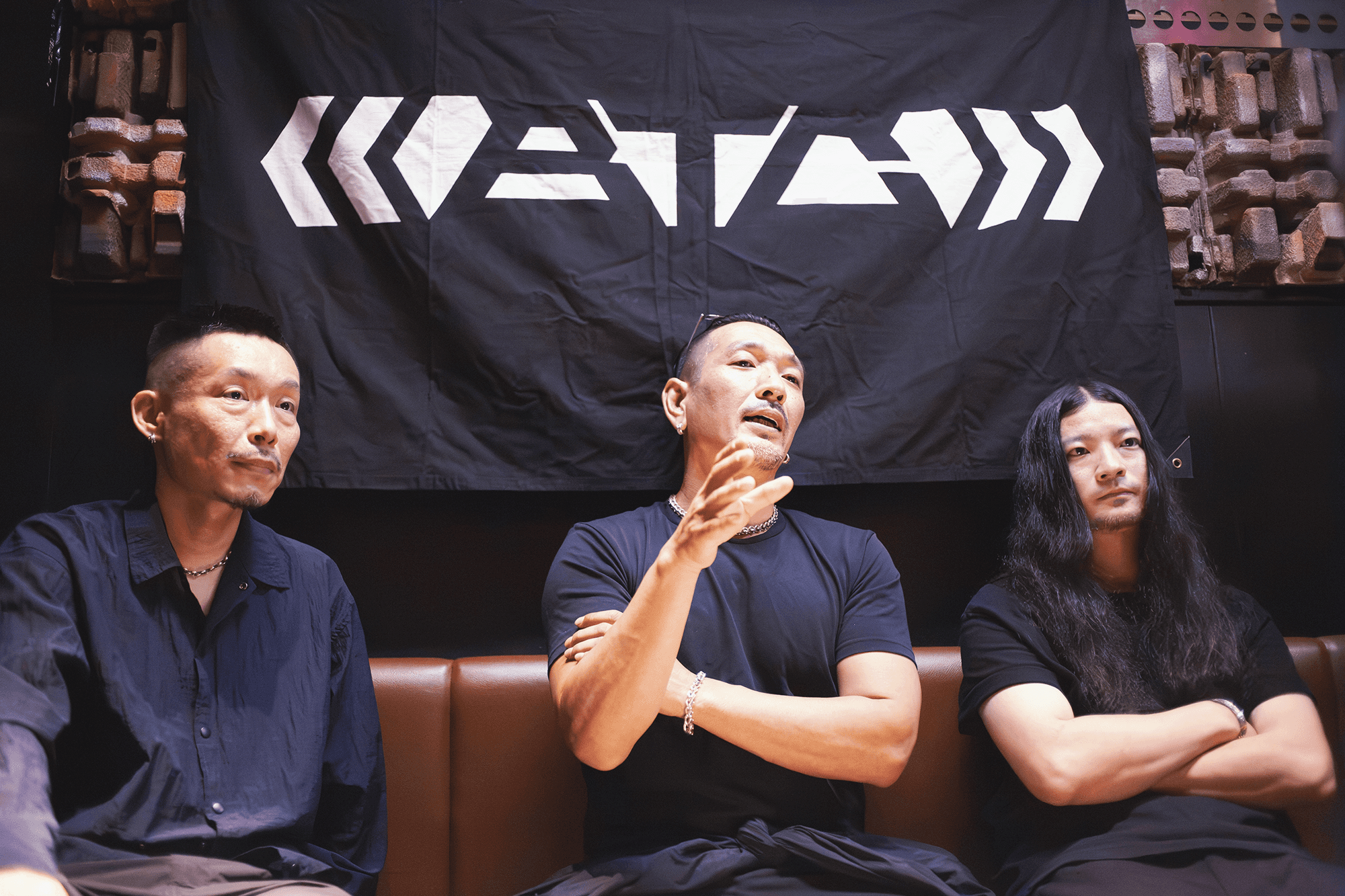
Q. Over the years of running the party, how has your relationship with the crowd on the floor evolved?
GOTH-TRAD: That has been both fascinating and challenging.
BTC is a peculiar party.
While centered on dubstep, we regularly booked live bands. I've always loved heavy music and connected with bands through REBEL FAMILIA.
That background reflected in BTC, prompting bands—including members of WRENCH—to take an interest in dubstep.
It led to crossovers like remixing Black Ganion and WRENCH, so from the very beginning, diverse crowds gathered at BTC.
Over 20 years, generations turn over.
The crowd has probably shifted four times. Honestly, navigating that is tough.
As mentioned earlier, you constantly have to consider how current clubgoers consume event announcements and promotion.
I wouldn't say we've done that flawlessly.
Still, because I view it as vital, I've always stayed conscious of scouting compelling young artists and DJs to incorporate fresh elements.
Yamakin: Some DJs currently active in the scene used to attend BTC, telling us, "I used to party at BTC at asia," and several even took up DJing because of it.
That generation connects directly to the lineup for this 20th-anniversary party.
GOTH-TRAD: While I want to communicate what we've accomplished, what matters most is the present.
The present is paramount, so we all need to feel that pressure when performing, and I feel it myself.
All that exists is the present and the future.
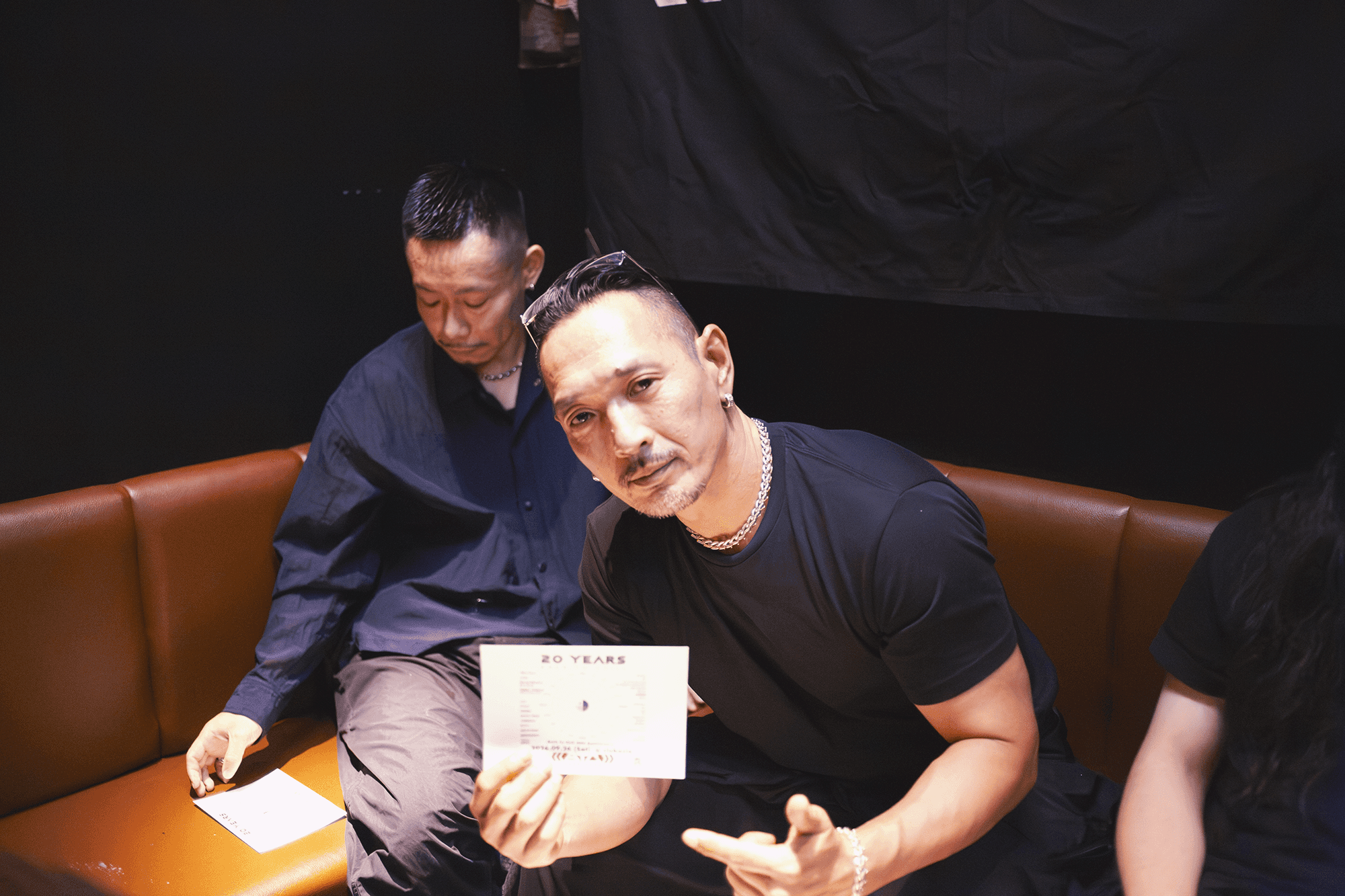
Q. The 20th-anniversary party features Meuko! Meuko!, O.N.O, and KEIHIN. Could you highlight their appeal and what audiences should look forward to?
GOTH-TRAD: Meuko! Meuko! is an artist based in Taiwan who appreciates my music, and we've crossed paths frequently in Taiwan and Europe.
I felt her experimental approach fit BTC naturally, so I asked her to perform live, which led to this booking.
O.N.O played our 19th anniversary and was incredible. His sound resonates deeply with BTC's darker, heavier elements.
KEIHIN recently returned with a new album, and he invited me to his release party. Seeing his set after a while, it was phenomenal, so I knew we had to have him.
Q. What was the concept behind programming the second floor and the bar floor?
HELKTRAM: Both floors feature artists with deep ties to BTC's 20-year history.
The second floor focuses on jungle and drum and bass, featuring Dx and Osam Green Giant from Soi Productions, DJ YAHMAN and JUNGLE ROCK from Tribal Connection, KEN and SATOSHI from HANGOVER, alongside MIDI War and Hankaku Kidotai.
It's an undeniable lineup.
In a different way from the main room, it honors BTC's 20-year milestone.
The bar floor features longtime BTC performers such as yuitty, Re+ (YR LAB.), Ryoichi Ueno (Mek Dem / B-Lines Delight), MAREAM, and BLUEMEW, alongside younger dubstep producers like Lowki and Acrocanthosaurus.
We discussed the lineup together as a crew to ensure it celebrated the 20th anniversary while embracing younger generations.
Q. What future developments does BTC envision?
GOTH-TRAD: As mentioned earlier, I want to release music regularly through the label moving forward. There are unreleased tracks waiting, and some crew members aren't naturally proactive on the release side.
Personally, I feel the label needs to step in, make plans, and drive things forward for them.
Alongside the label, I want to keep trying new things with the events.
Over the past year, I've often been invited to parties hosted by younger promoters. They come from varied backgrounds, and I'd love for BTC to be a place where those people connect.
That's the kind of space I want to build—a hub and meeting point where varied individuals converge and connect, just like what I experienced in the UK.
Q. Lastly, could you share your thoughts heading into the 20th-anniversary party?
GOTH-TRAD: I want people to use this anniversary party as an opportunity to experience BTC's sound firsthand.
It's not just dubstep; the event weaves in experimental textures, jungle, and techno sensibilities, offering plenty to enjoy throughout the night.
Furthermore, I have absolute confidence in our delivery of real-time, cutting-edge dubstep.
I don't consider it inferior to what's happening at the forefront of the UK scene in the slightest.
I want people to hear that sound on asia's renewed sound system.
Especially for those who haven't experienced BTC yet, this is the time to come.
MØNDAIGAI: I hope a wide audience comes out.
We have total confidence in both the music and our DJ sets, and it's bound to be an unforgettable anniversary, so please come through.
HELKTRAM: While 20 years is a major milestone, this isn't just about celebrating the past; it's an explosive anniversary aimed directly at the next 5 and 10 years. I want everyone on the dance floor to feel that energy.
BACK TO CHILL 20th Anniversary Project
BACK TO CHILL, a party that has supported Japan's dubstep and bass music scene for many years and earned widespread support and trust from artists, DJs, and core listeners alike, marks its 20th anniversary.
Organized by GOTH-TRAD—an artist who continues to play clubs and festivals across the globe and influence generations of musicians—BACK TO CHILL (BTC) began in September 2006, just as dubstep was emerging as a new musical form.
Moving its home base from SALOON to club asia, CONTACT, and now ENTER while sustaining regular parties, BTC has played a major role in establishing the scene and embedding dubstep and bass music in Japan.
When BTC started in 2006, dubstep was also rapidly taking shape as a genre in the UK.
As GOTH-TRAD traveled back and forth between the UK and Japan, he experienced those changes firsthand, bringing back the music and culture being played there in real time straight to BTC's dance floor.
Furthermore, placing great emphasis on foundational cultural elements like sound systems and dubplates, BTC didn't merely introduce new sounds; it conveyed the underlying culture and philosophy as well. Attending BTC meant experiencing world-class dubstep and DJ sets of that era directly on a Japanese floor.
From its inception to the present day, BTC has remained an invaluable space that consistently provides such experiences.
At the same time, the music BTC has played extends beyond just dubstep and bass music. From sounds sharing roots like dub and jungle to techno, experimental, and even post-metal, the party has flexibly embraced artists with diverse backgrounds.
However, this isn't simply about crossing genres or playing disparate styles side-by-side.
By channeling each style of music through a sound system deeply rooted in dubstep culture, BTC discovered shared sensibilities and roots within distinct genres, weaving them together into a singular context.
Since the pandemic, cross-genre curation has spread across the global club scene, and having varied sounds intersect on one floor has become a major trend.
Yet long before that, rather than just mixing disparate music together, BTC was already putting this into practice: connecting the roots and meanings of each sound under a clear musical philosophy centered on dubstep.
Not crossing genres for the sake of it, but giving it a sense of purpose and necessity over the course of 20 years—this is what makes BTC truly unique.
And when speaking of BTC's 20-year history, Shibuya club asia is an inseparable part of the story. Embracing BTC's various experiments for many years, club asia became both a home for BTC and a stage that vastly expanded its possibilities.
From pursuing sound craft via dedicated sound systems to booking artists across diverse genres, the experiences built there presented new values and ways of projecting sound to the Tokyo club scene.
Now, reaching the 20-year milestone, BTC returns to the place where that history was shared.
With the 20th-anniversary party just around the corner, we spoke with GOTH-TRAD, HELKTRAM, and MØNDAIGAI from BTC, alongside former club asia director Yamakin, about the past 20 years shared between BTC and asia, as well as what lies ahead.
ーーーーーーーーーーーーーーーーーーーーーーーーー
Q. Back To Chill (hereafter BTC) began on September 7, 2006. How do you feel now that you are celebrating your 20th anniversary?
GOTH-TRAD: I started this event with the intention of keeping it going for a long time, so while I think we've done well to last this long, in a way I also anticipated it.
The desire to continue naturally without burning out has always been there. So it feels like we just naturally reached 20 years before we knew it.
Q. What are the themes and concepts behind the designs of the singles and flyers released on BTC's Bandcamp as part of the 20th-anniversary series?
GOTH-TRAD: The idea was that the artwork for each EP would layer together, eventually forming a single unified design.
I didn't have the final form completely planned out, but I started making it loosely, and on the flyer it ended up taking the shape of radiating lines.
Along the extension of those coordinate-like lines, I collected 20 words representing BTC's elements—its spirit, attitude, and so on—and made that the final destination of the design.
Q. Since BTC members have performed and released music overseas for years, BTC seems widely recognized by international dubstep fans. What kind of reactions do you get from abroad regarding both the party and the label?
HELKTRAM: Playing abroad, I felt that GOTH-TRAD is truly recognized as a legend who has led the dubstep scene for years. People would say to me, "You're part of the BTC crew, right? Isn't it super inspiring to play with that legend every month?" or "BTC is fascinating because every member produces a different style of track."
I think that reaction comes from the credibility BTC has built by continuing for 20 years.
GOTH-TRAD: It's been nearly 20 years since I started going overseas, especially to the UK. Through that, I've seen the global dubstep scene go through ups and downs; there were times when the hype settled down, and times when iconic artists emerged.
This year marks the 20th anniversary for Tectonic and Deep Medi Musik, and it's 20 years for BTC as well.
Twenty years after that era, dubstep is drawing attention again.
A new generation and the producers who shaped the scene back then are coming together, building excitement once more.
It's not that only one side is on the frontlines—the new guys are right there, and the old-school guys are also pushing forward, making new sounds.
That's what's so great about it. Even though there's a 20-year age gap, kids who grew up listening to 2006–2007 dubstep are emerging as producers now, and that crossover is incredibly exciting.
I think this cross-generational exchange is working really well.
There's mutual respect, and technically speaking, the old-school pioneers aren't staying stuck in the past; they're doing fresh things.
They inspire each other, and the hype is building again.
In Japan too, there are kids in their 20s throwing dubstep and bass music parties. Just the other day, I was invited to play at a bass music party started by younger people.
Of course, between us there were generations like TREKKIE TRAX or DUBNEEZ, and crossovers happened there as well.
Though the scene in Japan is small, in terms of dubstep, intergenerational crossovers are taking place, and it might be gradually expanding.
Q. BTC also operates as a label. Do you feel it is increasingly recognized as one?
GOTH-TRAD: Honestly, not quite yet. To be frank, I haven't put enough energy into that aspect.
It started as a label in 2014 when we put out the compilation "MUGEN," but there was a long gap until the next release.
I couldn't dedicate enough time to it.
Partly due to scheduling, I was making my own tracks for Deep Medi, touring, and producing non-dubstep material.
In that sense, our start as a label was sluggish. It's not necessarily a regret, but I do think, "We were a bit slow."
Whether that turned out good or bad, I still don't know.
There were times when I had to focus on my own releases.
For HELKTRAM, MØNDAIGAI, and City1, I thought it was essential for them to try releasing on overseas labels, and since they had opportunities, I felt they definitely should go for it.
Rather than me running BTC half-heartedly, it seemed better for labels that genuinely appreciated them to release their music.
Still, there are things we should have done more as a label, so that's something for the future.
During COVID, I released my own album ("PSIONICS"), reissues of older works, remastered REBEL FAMILIA material, and compilations of unreleased tracks ("SURVIVAL RESEARCH," "MUTATIONS"). They received a solid response, which definitely made me realize, "I need to establish this more properly as a label."
When dubstep was peaking, releasing vinyl alongside digital was the standard, and that came with pressure, both good and bad.
Thinking too much about complications like time, money, and timing kept me from taking that step forward.
Amidst that, during COVID, the trend shifted toward digital releases. I realized there was no need to overthink it if obsessing over vinyl meant stalling releases altogether.
In fact, there's a whole generation that prefers listening digitally. Talking to younger artists today, many say, "I don't use vinyl, so I want digital," or "I DJ digitally and buy digital tracks."
I realized the primary mission is spreading the music, and that matters most.
Treating vinyl as a barrier and not releasing music as a result would be a waste.
Putting out digital releases during the pandemic changed my perspective on that.
I often talk about this with European label owners and producers. Naturally, some labels and artists still feel, "I absolutely must press vinyl."
We often discuss choosing formats on a per-release basis—deciding "this release goes digital" or "I want to press this on vinyl."
GOTH-TRAD Presents Back To Chill “MUGEN” https://backtochilltokyo.bandcamp.com/album/goth-trad-presents-back-to-chill-mugen
Q. So there was pressure stemming from being both a label owner and a producer.
GOTH-TRAD: When I announce a digital release on social media, people still ask, "No vinyl?"
Even when I dropped a bunch of digital albums during COVID, there were quite a few requests asking for vinyl, which makes you wonder, "Maybe I should press vinyl after all?"
But things change with the times.
Methods of advertising, self-promotion, and the ways people listen to music all evolve.
What people value shifts too, so it's necessary to adapt to that.
While there's a distinct coolness to nostalgic, traditional approaches, getting too stuck in them looks dated. I believe it's important to evolve with the times.
Q. asia has long served as a home for BTC. How did holding events at asia expand BTC's direction and possibilities?
HELKTRAM: The first time I performed at BTC was after it moved to asia, and the first party I attended after moving to Tokyo was BTC at asia.
That's where I handed GOTH-TRAD a CD-R of my tracks, which led to where I am today, so it's a place packed with memories and experiences for me.
MØNDAIGAI: I also joined BTC starting from asia, and BTC at asia was what made me fall in love with dubstep in the first place. Experiencing the sound system culture there completely hooked me.
GOTH-TRAD: We originally started at Saloon in September 2006. After running it for a little over a year, Yamakin, who was on staff at asia at the time, invited us: "Why not do BTC at asia?" That's how it started.
Moving to a venue the size of asia expanded our horizons dramatically.
Since asia is also a live music venue, it accommodates live acts.
We could host REBEL FAMILIA and bring in bands.
We could add extra sound systems, and because it wasn't just a single room—having a second floor and a lounge bar floor—it allowed us to broaden our musical spectrum.
Before that, being in a single room meant we had to focus exclusively on dubstep. But at asia, under the broader umbrella of bass music, we could book bands and branch out in various ways.
When we wanted to bring in extra subwoofers for anniversary parties, asia made it possible. From there, people started building sound systems and bringing them into BTC regularly, expanding scale over the years.
asia was a space that broadened BTC's potential and welcomed our ideas.
Yamakin also contributed ideas and connected us with people, allowing us to expand BTC's original concept even further.
Booking Boris for the 2017 anniversary was only possible because of asia, and it broadened my own musical range as well.
Plus, with the main floor, second floor, and bar floor, we could put newer artists in the bar first to build experience.
I believe MØNDAIGAI played in the bar for quite a while, and everyone started there. HELKTRAM also began at the bar floor before stepping up to the main room.
As they gained experience and improved, we could say, "Alright, let's try the main floor." It enabled that kind of trial and growth.
It allowed me to take risks too, and in that sense, moving to asia vastly expanded BTC's possibilities.
Yamakin: GOTH, do you remember your very first appearance at asia?
GOTH-TRAD: It was TIGHT. Around 1999, I think. I was invited to play at TIGHT when the compilation "Dokon" was released.
Back then I was only producing and had never DJed, but they let me DJ on the subfloor.
Just recently, I performed at TIGHT again with REBEL FAMILIA, so TIGHT has been key for me.
Around 2002, Yamakin booked REBEL FAMILIA for an event he was running, and that's how our relationship started.
Q. My impression is that BTC at asia always involved meticulous rehearsals. How did you work with the sound engineers and asia staff to pursue your ideal sound?
GOTH-TRAD: When I went to the UK and toured around 2006–2007, I realized the low-end frequencies I had used on "Mad Raver’s Dance Floor" wouldn't cut it.
Not that they were bad—on Japanese club sound systems and speakers back then, people might have thought, "Yeah, the bass is hitting." But once I started producing authentic dubstep, I noticed the bass keys and frequencies were totally different.
From then on, I began producing tracks in much lower sub-bass registers.
However, when played in Japanese clubs, that sub-bass wouldn't reproduce.
Yet in the UK, it resonated perfectly.
That convinced me: "I'm not wrong," and I committed to that production approach.
People around me started noticing the difference, asking, "Why does GOTH's bass hit so hard?" and I'd reply, "The key is different."
I realized that unless you lower the overall center of gravity in production, it won't resonate on authentic sound systems.
Back then, almost no club in Japan could reproduce that sound properly.
When MALA first visited Japan, I listened to him discussing settings with the sound engineer during rehearsal, asking things like, "Where is the low-cut set?" and "That's cut too high, bring it lower." Hearing that confirmed it for me.
That helped me better understand acoustics—how to actually output that level of sub-bass.
At the time, sound system and bass music culture hadn't really spread in Japan.
Even clubs reputed for "great sound" didn't pay much attention to reproducing deep sub-bass.
Since bass music wasn't widespread to begin with, there was no pressing need for them to consider it.
Over the next decade, Tokyo's sound systems improved significantly.
Back then, though, without thorough tuning, we couldn't get the low end we wanted.
asia was willing to adapt to that. They had an incredible sound engineer named Naomi-chan who understood what we were trying to achieve.
Nowadays, clubs everywhere have improved immensely.
Bass music has become established as a recognized genre and is played everywhere as a matter of course, so I think venues everywhere design their acoustics with low-end response in mind.
Sound System
https://vimeo.com/126265648?fl=pl&fe=cm
Q. By hosting BTC regularly before bass music permeated the Japanese club scene, what impact do you think it had on asia? Did BTC's involvement help bring out asia's deeper, underground side?
Yamakin: Exactly as you say. The idea was to have acts like REBEL FAMILIA and GOTH-TRAD bring those elements to the party.
We also collaborated with crews like BLACK SMOKER, SHIRO THE GOODMAN, and Jazzy Sport.
When I joined asia around 2001–2002, flashy, mainstream vibes dominated. Once I took charge of booking, I wanted to showcase raw, dope sounds too, so I invited them to play, gradually building that flavor.
BTC was a bold challenge for asia, but as it continued over time, its influence grew, and we felt the momentum steadily build.
Q. When BTC first started at asia, what other kinds of parties were taking place?
Yamakin: Around that same era, Nakata-kun's (Yasutaka Nakata) FLASH!!! made a strong impression.
GOTH-TRAD: What makes asia great—and why I'm glad we did BTC there—is that while the sound was underground, dark, and dope, the venue itself was vibrant and fun.
It felt like a place where people could genuinely party, not an underground scene closed off to outsiders.
The music was super heavy and underground, yet the space retained the energetic atmosphere of an exciting club.
They hosted a variety of other parties, which also gave it a positive image; it was truly an open, enjoyable club.
In my eyes, while dubstep fits the underground tag, the experience felt like a proper "club" first and foremost.
Yamakin: I wasn't obsessively attached to the underground, but I often found that underground raw energy genuinely cool.
GOTH-TRAD: But that's exactly how it is in the UK and Europe.
At venues like Fabric, the genre changes depending on the night, but the crowd's energy is unequivocally a party vibe.
asia had that same spirit, and being able to cultivate that was amazing.
Though for Yamakin, there were probably moments where he thought, "Are we really taking it that far?"
Like, "We have a collaboration with Red Bull and you're booking THE BODY?!" (laughs).
Q. The countdown party lineups really symbolized that era of asia, didn't they?
Yamakin: Exactly! You'd have Nakata-kun, GOTH, Shinichi Osawa, and DJ DYE (THA BLUE HERB) billed side by side, along with THE LOWBROWS (Chaki Zulu) and others.
GOTH-TRAD: asia really sparked so many connections.
I became good friends with Chaki-kun there, and we'd talk about all kinds of music.
Yamakin: With GOTH playing, Nakata playing, and Chaki playing, everyone naturally became friends.
They'd chat casually, and seeing that, I secretly hoped GOTH and Nakata might collaborate on music together.
I still think that would result in something fascinating.
I kept that in mind, thinking such collaborations could emerge.
Q. Among all the BTC events held at asia, which ones stand out most in your memory?
Yamakin: GOTH's "New Epoch" release party was incredible.
From event production to bookings and programming, tremendous care went into it. When the day came, the crowd packed the floor, and GOTH played an unbelievable set. The production team was fantastic too.
Takahashi, who is taking photos today, was an intern at P-VINE back then and took an interest in GOTH through that event.
The party with Red Bull was great, and the Boris night was insane too.
I have countless memories when it comes to BTC.
And just as many with each individual member.
HELKTRAM: The anniversary parties are always memorable for me.
They're a blast to play, and since it's an anniversary, the crowd is having an amazing time too.
Also, back when we brought in extra sound systems, the sound was so intense during rehearsal that a fluorescent bulb fell from the ceiling (laughs).
Yamakin: The sub-bass vibration on the main floor was so strong that the second-floor bathroom door lock would unlock itself.
I was using the second-floor restroom when the lock just slid open on its own. I went, "Wait, what?!" (laughs).
GOTH-TRAD: Occasionally, when I couldn't make soundcheck, I'd ask the crew, "Can you handle the soundcheck?" but their judgment would already be skewed (laughs).
They'd say, "GOTH, the sound is crazy heavy today!" but when I arrived and listened, I'd say, "You pushed this way too hard; the balance is off, pull it back" (laughs).
That said, asia's current sound system has improved so much that it rivals the output of the extra systems we used to bring in, so I'm really looking forward to it.
Q. Could you tell us about the individuality and appeal of each BTC resident as producers?
GOTH-TRAD: The tracks each of them produce are fascinating, and lately their distinct colors have really begun to show.
City1 leans into dub infused with oriental elements, while MØNDAIGAI specializes in techy sounds. HELKTRAM crafts dubstep with a unique twist.
Their individual tastes have become very distinct.
Whatever music they make reaches a consistent level of high quality, and I play all of their tracks.
However, what they need to work on moving forward is self-production, modern promotion, and how to present themselves as artists.
They aren't particularly skilled at that side yet, which I honestly feel is a bit of a waste.
For instance, 100mado has formidable production chops and a wealth of great tracks, even older ones.
I think it's a shame not to put those out into the world, and I hope we can showcase them through BTC.
From here on, it's not just about musical skill; approaches must adapt to the times.
Not limited to dubstep, thinking about how to self-produce and taking proactive action will open doors down the road.
In today's world, waiting around won't change anything.
They should consider that more deeply and take full advantage of BTC as a platform whenever needed.
Q. What criteria do you prioritize when selecting artists to participate in BTC?
GOTH-TRAD: From the day BTC started in 2006, we took a hardcore stance: "We won't book DJs who don't have at least one original track." That fundamental concept hasn't changed much.
Beyond that, it's meaningless if only I appreciate them.
They need to be artists who actively reach out abroad, gain recognition, and endure.
BTC features artists producing music of a caliber where I can confidently say, "With this quality, they could easily play international festivals."
In fact, when I play their tracks abroad, people often ask, "Whose track is this?"
When I tell them, "It's so-and-so from the BTC crew," UK dubstep DJs or label owners end up contacting them directly. That speaks to the quality of the music they're making.
Q. Among the current lineup, MØNDAIGAI is the newest member to join BTC. How did you feel at the time, stepping into a crew with such an established history and bond?
MØNDAIGAI: When I joined BTC, I was the only one who wasn't producing tracks yet, which felt frustrating at first.
It wasn't quite a matter of playing catch-up, but that drove me to push myself.
Q. Over the last two to three years, Skream and Benga have resumed playing dubstep, while MALA and Coki joined Fred again..'s tour, showing renewed activity from the scene's foundational artists.
Has this global movement impacted BTC in any way?
How do you all perceive this resurgence of interest in dubstep?
HELKTRAM: "Inspiration" might not be the exact word, but it shows that if you persist and hone your craft, waves like this eventually come back around.
When that happens, we have to deliver something even cooler through our tracks and parties, exceeding what listeners expect.
That's the feeling I have.
The pioneers of dubstep each possessed sharp originality and bold identity.
I strive to be that kind of artist as well.
GOTH-TRAD: As part of DEEP MEDi's 20th anniversary, they took over stages at various festivals, including Outlook Festival, and I played several of those stages myself.
Looking at the landscape objectively, pioneer artists and labels reaching their 20th anniversaries are finding more opportunities in the spotlight again.
Yet very few have actually endured that long.
They remain relevant as labels and producers precisely because they never stopped. Pinch, for example, had periods of lower personal output, yet continued running his label and supporting young talent.
Decades of continuous effort lead to where things stand today.
Continuing something isn't about focusing solely on the immediate moment.
You can only sustain it if your eyes are set 5 or 10 years down the line.
That's why I constantly challenge myself—for better or worse—while searching for fresh music and artists.
Whether through BTC parties or the label, I believe something meaningful awaits if we keep pushing forward.
Q. Newer artists like Manuka Honey, who recently played BTC and moves fluidly across genres, also show audible influences from dubstep.
It seems you command respect from this new generation as well.
GOTH-TRAD: That's true. Quite often, unexpected artists tell me they've listened to my music for years.
That happens a lot with techno producers too.
Those moments frequently lead to unexpected connections.
Just recently at an overseas festival, an artist named Metrist played a live set right before me, and it was incredible.
Turns out he had been listening to my work for a long time, going back to my noise album days.
His set was phenomenal, we connected, became friends, and even discussed collaborating.
That intergenerational dialogue is happening right now, and hopefully it keeps making things more interesting.
Q. Double Clapperz talked on "NEET TOKYO" about the impact of visiting BTC for the first time. Many Japanese producers and DJs seem to have drawn inspiration from BTC before making their mark in their respective scenes.
GOTH-TRAD: That makes me incredibly happy.
Double Clapperz are fantastic producers doing brilliant work.
If BTC provided them with any inspiration, it reaffirms that what we've been doing is worthwhile.
And that was likely fostered, in part, because we held it at asia.
DoubleClapperz: On "GOTH TRAD"
https://www.youtube.com/watch?v=i9rOvm7exYo
Q. Abroad, labels and parties that pioneered dubstep from its inception—such as DEEP MEDi MUSIK, Hyperdub, Tempa, and Tectonic Recordings—continue operating today.
What attitude or culture do you think enabled them to sustain their activities for so long? Are there parallels with BTC?
GOTH-TRAD: Playing alongside MALA, Coki, and Kode9, I noticed their record bags were filled almost entirely with dubplates—their own tracks, their label's releases, or music by close peers.
They built entire sets out of that, making me think, "This is practically a live set."
Until then, my mentality was that you couldn't call yourself truly original unless you played live sets exclusively with your own productions rather than DJing.
Seeing their style of dubstep DJing made me realize: the DJ set itself can be an original live experience.
Realizing you could achieve that through DJing inspired me to implement it at BTC.
At the time, very few DJs approached the craft with that mindset.
In Japan, only a select few—like DJ KRUSH or Ken Ishii—operated on that level of intentionality.
Also, running regular parties allows you to exchange ideas, information, skills, and techniques.
Gathering backstage to share things like "that software was great" or "here's what I used for the bass on that track" is vital.
In the UK, everybody does that.
They share studios, artists drop by, and they end up producing tracks together on the spot. An environment exists where they can exchange skills freely.
At the time, I felt Japan lacked that sort of environment.
Everyone was independent, producing in their bedrooms in isolation. I thought: let's stimulate that directly on the floor and encourage more producers.
I think BTC accomplished that to a great degree.
Twenty years later, DJs producing their own tracks is standard practice, and the mindset that "I need to make tracks too" has spread widely.
I saw that as crucial, not just for dubstep, but across electronic music.
That's an essential role a party should play.
MALA and Kode9 constantly move forward, producing and innovating.
It's that persistent drive that has kept things alive.
Q. I vividly remember speaking with you in 2005 when you stated, "Dubstep will firmly establish itself, just like techno and house." What gave you such absolute conviction in dubstep when it had only just emerged?
GOTH-TRAD: I felt something profoundly new in dubstep's groove—the half-time rhythm.
Having visited the UK, I witnessed the raw energy firsthand, and within bass music, it was unmistakably fresh.
I had listened to UK rave since my early teens, moving through 2-step, jungle, drum and bass, gabber, digital hardcore, breakcore, IDM, and electronica.
Entering the 2000s, music had hit a plateau without noticeable shifts, and then grime appeared.
Grime made me take notice, and when dubstep followed, I felt a distinct freshness unlike anything before; an extraordinary genre had arrived.
That's why artists from varied backgrounds gravitated toward dubstep.
Even within BTC, 100mado came from noise, techy dubstep was already present by 2006 catching the techno crowd's ear, and hip-hop heads were paying attention too.
Seeing people from disparate musical realms converge here revealed massive potential.
I knew a monumental genre had arrived, and I was certain it was here to stay.
Q. Over the years of running the party, how has your relationship with the crowd on the floor evolved?
GOTH-TRAD: That has been both fascinating and challenging.
BTC is a peculiar party.
While centered on dubstep, we regularly booked live bands. I've always loved heavy music and connected with bands through REBEL FAMILIA.
That background reflected in BTC, prompting bands—including members of WRENCH—to take an interest in dubstep.
It led to crossovers like remixing Black Ganion and WRENCH, so from the very beginning, diverse crowds gathered at BTC.
Over 20 years, generations turn over.
The crowd has probably shifted four times. Honestly, navigating that is tough.
As mentioned earlier, you constantly have to consider how current clubgoers consume event announcements and promotion.
I wouldn't say we've done that flawlessly.
Still, because I view it as vital, I've always stayed conscious of scouting compelling young artists and DJs to incorporate fresh elements.
Yamakin: Some DJs currently active in the scene used to attend BTC, telling us, "I used to party at BTC at asia," and several even took up DJing because of it.
That generation connects directly to the lineup for this 20th-anniversary party.
GOTH-TRAD: While I want to communicate what we've accomplished, what matters most is the present.
The present is paramount, so we all need to feel that pressure when performing, and I feel it myself.
All that exists is the present and the future.
Q. The 20th-anniversary party features Meuko! Meuko!, O.N.O, and KEIHIN. Could you highlight their appeal and what audiences should look forward to?
GOTH-TRAD: Meuko! Meuko! is an artist based in Taiwan who appreciates my music, and we've crossed paths frequently in Taiwan and Europe.
I felt her experimental approach fit BTC naturally, so I asked her to perform live, which led to this booking.
O.N.O played our 19th anniversary and was incredible. His sound resonates deeply with BTC's darker, heavier elements.
KEIHIN recently returned with a new album, and he invited me to his release party. Seeing his set after a while, it was phenomenal, so I knew we had to have him.
Q. What was the concept behind programming the second floor and the bar floor?
HELKTRAM: Both floors feature artists with deep ties to BTC's 20-year history.
The second floor focuses on jungle and drum and bass, featuring Dx and Osam Green Giant from Soi Productions, DJ YAHMAN and JUNGLE ROCK from Tribal Connection, KEN and SATOSHI from HANGOVER, alongside MIDI War and Hankaku Kidotai.
It's an undeniable lineup.
In a different way from the main room, it honors BTC's 20-year milestone.
The bar floor features longtime BTC performers such as yuitty, Re+ (YR LAB.), Ryoichi Ueno (Mek Dem / B-Lines Delight), MAREAM, and BLUEMEW, alongside younger dubstep producers like Lowki and Acrocanthosaurus.
We discussed the lineup together as a crew to ensure it celebrated the 20th anniversary while embracing younger generations.
Q. What future developments does BTC envision?
GOTH-TRAD: As mentioned earlier, I want to release music regularly through the label moving forward. There are unreleased tracks waiting, and some crew members aren't naturally proactive on the release side.
Personally, I feel the label needs to step in, make plans, and drive things forward for them.
Alongside the label, I want to keep trying new things with the events.
Over the past year, I've often been invited to parties hosted by younger promoters. They come from varied backgrounds, and I'd love for BTC to be a place where those people connect.
That's the kind of space I want to build—a hub and meeting point where varied individuals converge and connect, just like what I experienced in the UK.
Q. Lastly, could you share your thoughts heading into the 20th-anniversary party?
GOTH-TRAD: I want people to use this anniversary party as an opportunity to experience BTC's sound firsthand.
It's not just dubstep; the event weaves in experimental textures, jungle, and techno sensibilities, offering plenty to enjoy throughout the night.
Furthermore, I have absolute confidence in our delivery of real-time, cutting-edge dubstep.
I don't consider it inferior to what's happening at the forefront of the UK scene in the slightest.
I want people to hear that sound on asia's renewed sound system.
Especially for those who haven't experienced BTC yet, this is the time to come.
MØNDAIGAI: I hope a wide audience comes out.
We have total confidence in both the music and our DJ sets, and it's bound to be an unforgettable anniversary, so please come through.
HELKTRAM: While 20 years is a major milestone, this isn't just about celebrating the past; it's an explosive anniversary aimed directly at the next 5 and 10 years. I want everyone on the dance floor to feel that energy.
BACK TO CHILL 20th Anniversary Project




Contact
Venue materials/inquiries regarding stage production, sound, and lighting
Inquiry about sound and lighting|stage@clubasia.jp
Inquiry about visual media|visual@clubasia.jp


Contact
Venue materials/inquiries regarding stage production, sound, and lighting
Inquiry about sound and lighting|stage@clubasia.jp
Inquiry about visual media|visual@clubasia.jp
Contact
Venue materials/inquiries regarding stage production, sound, and lighting
Inquiry about sound and lighting|stage@clubasia.jp
Inquiry about visual media|visual@clubasia.jp